Hospitals look similar from the outside — what matters is behind the door. A practical guide to what families should actually evaluate before choosing where to have a knee replaced.
Knee pain rarely turns into a sudden decision. It builds. A bit of stiffness after a walk, a small ache standing up, eventually pain that doesn’t leave even at rest. By the time families start searching for the best knee replacement hospital in Vadodara, the decision often feels overdue.
Choosing is not as simple as picking the closest or the most polished-looking facility. Reception desks and waiting rooms look much the same everywhere. What matters is what happens behind the consultation door — experience, safety systems, and the people you’ll see again and again.
Why the choice of hospital matters
A working knee is freedom. Patients want to walk without thinking about every step, sit comfortably, travel again, go back to routines they’ve put on hold. Two things shape whether they get there: the surgeon’s expertise and the infrastructure around the procedure.
In orthopaedics, skill is only part of the story. A joint replacement needs many pieces working together — the operation theatre, infection-control protocols, ICU support, post-operative physiotherapy. When all of this lives under one roof and one system, recovery moves faster and more predictably.
What to actually check
Most families notice the building first. The things that matter most aren’t on display.
- Years of experience and case volume — hospitals that perform joint replacements regularly have smoother end-to-end processes.
- Post-operative support — how organised is the first week after surgery? Is physiotherapy in-house?
- Team continuity — long-serving nurses, technicians, and physiotherapists make recovery feel less foreign.
- Honest results — testimonials and word-of-mouth referrals tend to be more reliable than advertising.
Qualities to look for in the surgeon
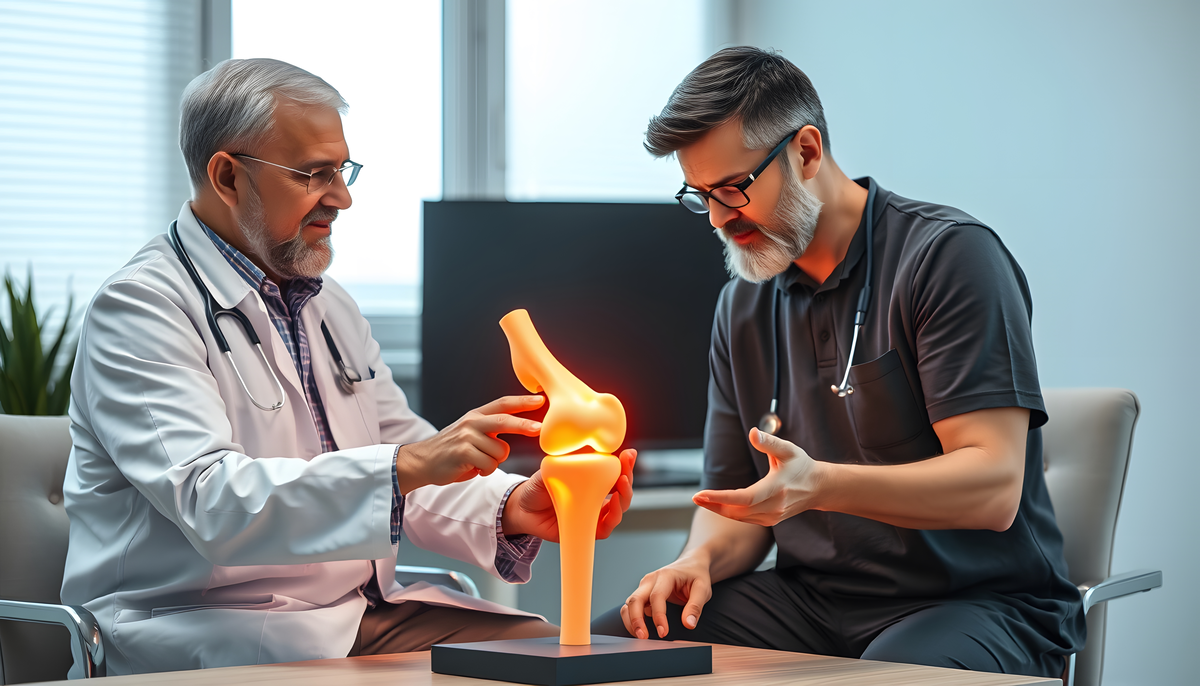
Patients usually judge a surgeon on two things: competence and manner. Both matter.
Credentials confirm training. Confidence comes from having done the procedure hundreds of times. At Ashirwad, the team uses AI-assisted planning for joint replacement, which improves alignment precision — patients feel the difference later in the form of comfort and natural movement.
A good surgeon also speaks plainly. No complicated vocabulary, no oversold promises. Families often say they decided on surgery only after the conversation in which the surgeon was honest about the timeline, the recovery, and what could go right or wrong. Trust built that way tends to hold.
What the day of surgery actually looks like
To the patient, the procedure feels like a single day. For the team, it’s a coordinated sequence. Pre-operative tests and preparation. A calm, well-practised theatre routine on the day. Careful pain management afterwards, with monitoring stepping down as the patient stabilises. Physiotherapy starts early — small steps within the first day or two. Progress feels slow from the outside, but strength returns in increments.
Why infrastructure is more than a brochure word
Modern operating theatres reduce infection risk. ICU availability is real reassurance when something unexpected happens. In-house physiotherapy saves the patient and family long, tiring trips during recovery.
Ashirwad is structured as a multi-superspecialty setup — orthopaedics, surgery, ICU, physiotherapy, and diagnostics are all connected. Families don’t move between centres for tests and reviews. Everything is under one roof, which makes care smoother and quicker.
Why patients trust Ashirwad
Ashirwad has a long history in orthopaedic care — years of fractures, trauma, and replacements behind the team. The transition to a full multi-specialty hospital added modern ICUs, advanced operation theatres, and broader diagnostic support. The atmosphere remains the same as it always was: professional, unhurried, personal. Patients are remembered, not processed. Referrals come from family and neighbours who saw real results.
When to start the conversation
People wait longer than they should. Pain that persists at rest, difficulty with stairs, morning stiffness that won’t ease, visible leg deformity — when daily life starts shrinking around the knee, it’s time. The goal of replacement is straightforward: less pain, better movement, more independence.
If you’ve reached a point where walking hurts more than waiting, take the first step. The hospital that listens, explains clearly, and supports you through the months that follow is the one that will feel right.