Orthopaedic problems rarely arrive with a clear beginning. They settle into routine until routine itself starts shrinking. A guide to spotting the right moment for help.
Orthopaedic problems rarely arrive with a clear starting point. Most patients can’t name a date or a single incident. They remember a phase — a stretch of weeks when the body started asking for small adjustments. Sitting changed. Walking slowed. Certain movements began to feel optional rather than natural.
At first, nothing feels urgent. Pain comes and goes. Stiffness loosens after a while. A shoulder that refuses to lift one day works fine the next. These things are easy to dismiss, especially when life is busy and responsibilities don’t pause for discomfort.
Eventually something shifts. Movement stops feeling automatic and starts needing planning. That’s usually when people begin to seriously consider seeing a specialist — not because the pain suddenly arrived, but because it stayed.
What most people miss in the early stages
Pain isn’t always the first signal. Behaviour is.
People stop squatting. They lean on one side getting up. They reach with the other arm. They avoid stairs without really deciding to. None of this feels dramatic enough to act on. It just feels practical.
But these small adjustments quietly rewrite posture and movement. What starts as accommodation can turn into strain somewhere else — a knee that’s been protecting itself for two years often shows up as a back complaint. Good orthopaedic care begins by recognising these patterns, not just chasing the loudest symptom.
What a good orthopaedic assessment actually looks at
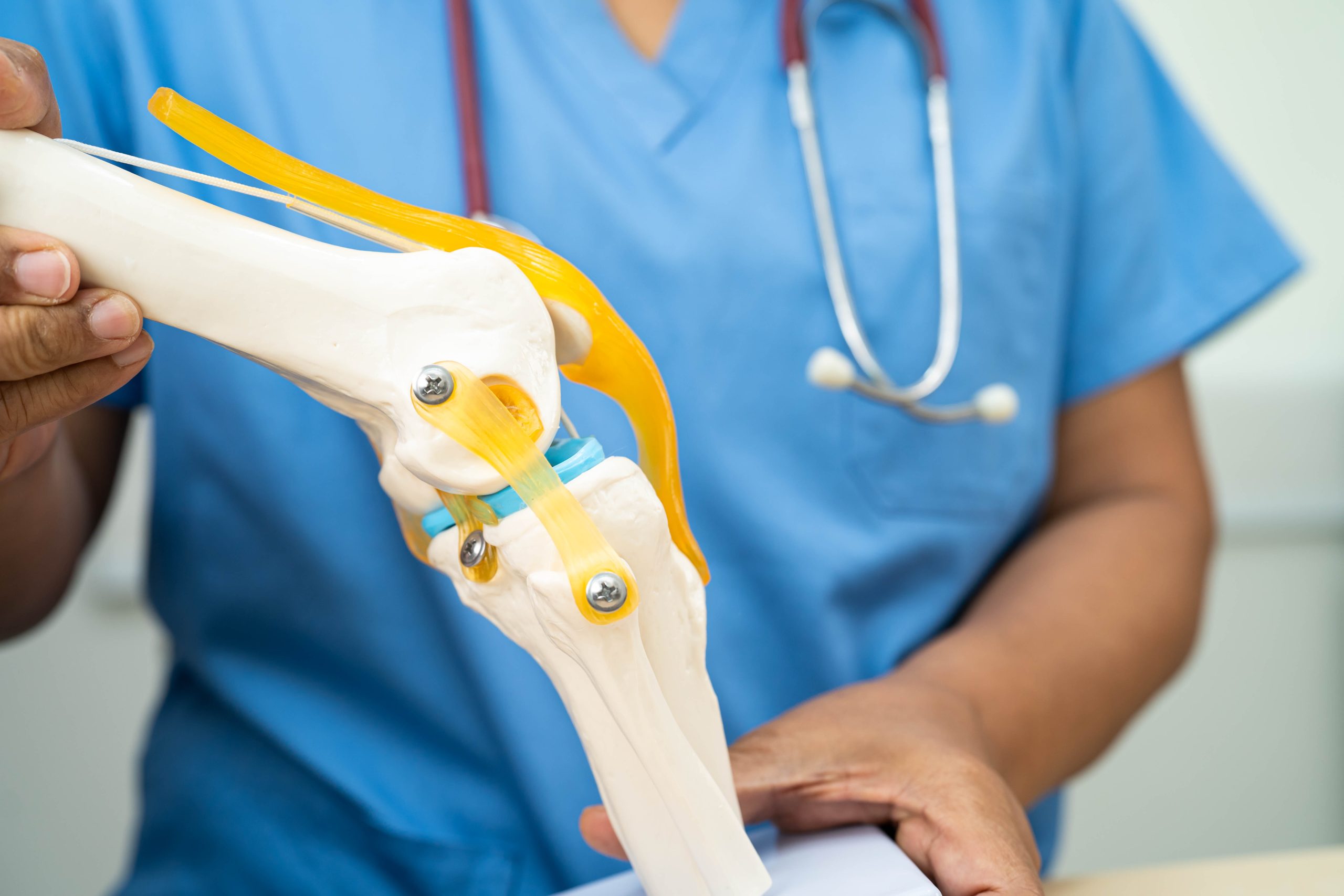
On paper, orthopaedics deals with bones, joints, and movement. In practice it’s less tidy than that. Scans are useful but they don’t tell the whole story. Reports show structure. They don’t show hesitation, imbalance, or the way someone protects a painful joint without realising they’re doing it.
Pain patterns matter — when it appears, how long it lasts, what eases it. Movement matters — range, confidence, symmetry. Old injuries matter too, including ones the patient stopped mentioning years ago.
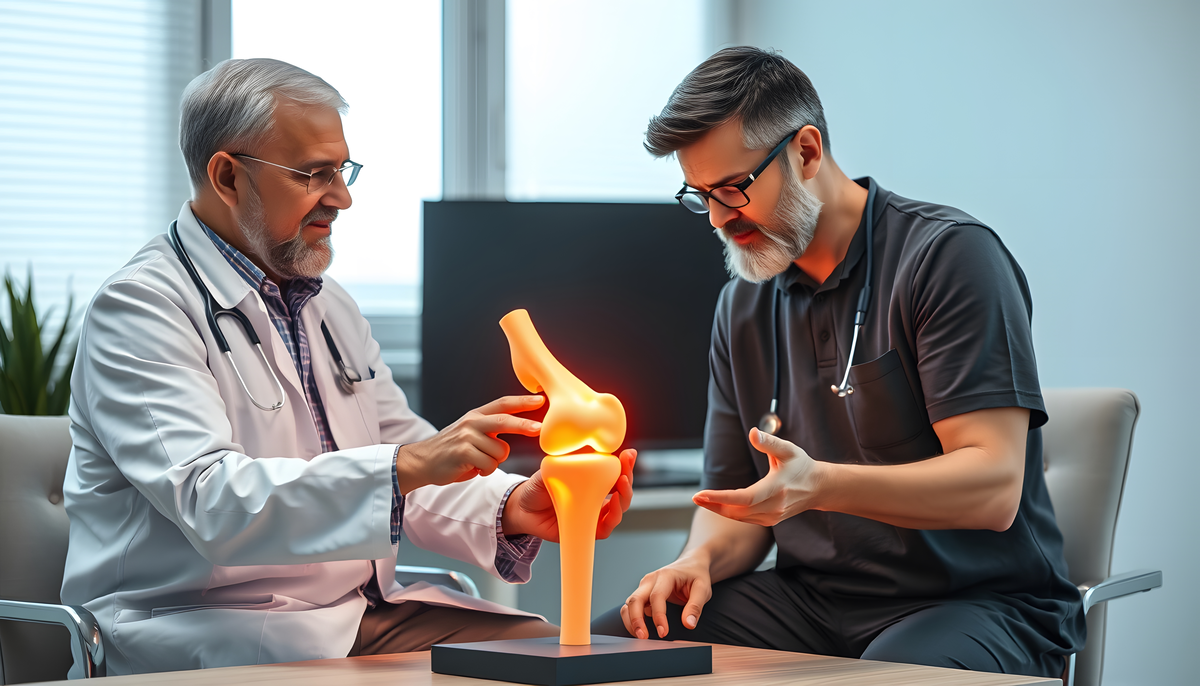
At Ashirwad, orthopaedic care is led by Dr Neel Shah and Dr Anil Shah. Their approach is not just to put a name on a condition but to decide whether it needs time, support, or active intervention — and to explain why so the patient isn’t left guessing. Two people can walk in with similar X-rays and walk out with quite different plans. That difference usually comes from experience, not the report.
Why surgery is rarely the first conversation
A common fear is that an orthopaedic visit will lead directly to surgery. In real practice, that’s rarely how things go. Many conditions respond well to conservative care when caught at the right stage.
Medication, physiotherapy, and changes in daily movement are often enough on their own. Surgery enters the conversation only when pain doesn’t settle or movement keeps declining despite consistent non-surgical care. This step-by-step approach is what protects patients from rushed decisions and unnecessary procedures.
Timing matters. Acting too early can be as unhelpful as waiting too long.
The piece patients underestimate: pain management
Pain shrinks movement. When pain isn’t managed well, people move less. Less movement leads to stiffness, and stiffness feeds more pain. It’s a quiet loop, and it’s hard to break without help.
Pain management — handled at Ashirwad by Dr Samarth Rahurkar — isn’t about eliminating pain entirely. It’s about keeping it controlled enough to allow movement to continue: joints active, muscles working, rehabilitation possible. This becomes especially important in long-standing joint problems and during recovery.
What goes wrong once things start to feel better
Partial relief can be misleading. Pain reduces, mobility improves a little, follow-ups get skipped. Life fills the gap.
A few weeks later, discomfort returns — sometimes in a different form, sometimes harder than before.
Orthopaedic care doesn’t move in a straight line. Healing changes the body. Treatment needs adjustment. Follow-up isn’t a formality; it’s part of the process. Bones and joints don’t hurry, and understanding that prevents the frustration that makes people drop out of care too early.
Choosing care that feels steady
Good orthopaedic care isn’t about dramatic promises. It’s about clear explanations, honest timelines, and being told when waiting is safe and when waiting is risky. Decisions get made with context, not pressure. The patient feels involved rather than pushed.
The takeaway
Orthopaedic problems rarely announce themselves. They blend into routine until routine starts to shrink. Early evaluation keeps small issues from hardening into lasting limitations. With experienced guidance, structured care, and good pain support, recovery becomes steady instead of uncertain.
Seeing an orthopaedic surgeon isn’t only about treating pain. It’s about protecting movement — before it quietly slips away.